
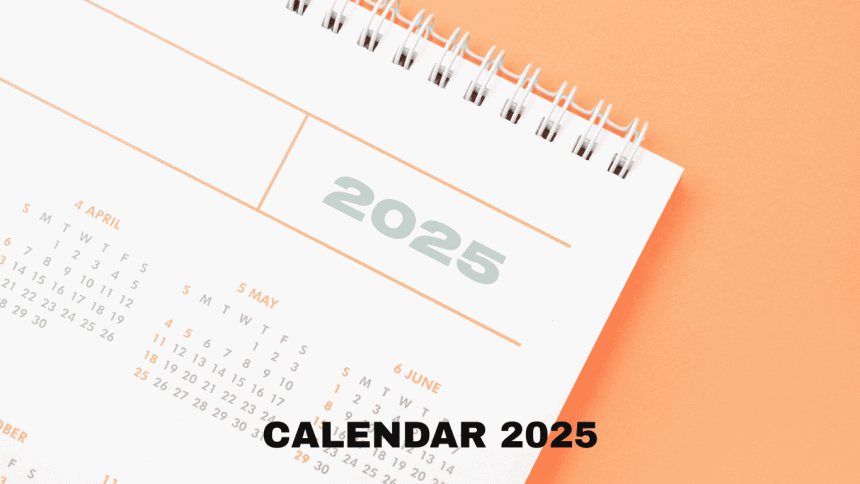
A new year brings fresh opportunities to organize your life, set meaningful goals, and create better habits. Calendar 2025 offers you 365 days to make the most of your time and turn your plans into reality.
This comprehensive guide will help you understand everything you need to know about 2025, from key dates and holidays to practical planning strategies. You’ll discover how to choose the right calendar format, mark important dates, and use your calendar as a powerful tool for productivity and personal growth.
Key Dates and Holidays in Calendar 2025
Understanding the important dates in 2025 helps you plan ahead for holidays, long weekends, and special occasions. Here are the major holidays and observances you should mark on your calendar:
Federal Holidays in 2025
- New Year’s Day: January 1 (Wednesday)
- Martin Luther King Jr. Day: January 20 (Monday)
- Presidents’ Day: February 17 (Monday)
- Memorial Day: May 26 (Monday)
- Independence Day: July 4 (Friday)
- Labor Day: September 1 (Monday)
- Columbus Day: October 13 (Monday)
- Veterans Day: November 11 (Tuesday)
- Thanksgiving: November 27 (Thursday)
- Christmas Day: December 25 (Thursday)
Other Important Dates
- Daylight Saving Time begins: March 9
- Easter Sunday: April 20
- Mother’s Day: May 11
- Father’s Day: June 15
- Halloween: October 31
- Daylight Saving Time ends: November 2
These dates help you plan vacations, family gatherings, and work schedules well in advance.
Different Types of Calendar 2025 Formats
Calendar 2025 comes in various formats to suit different needs and preferences. Understanding your options helps you choose the best calendar for your lifestyle.
Wall Calendars
They work well for families who need to coordinate schedules or for offices where multiple people need to see upcoming events. The visual display keeps important dates visible at all times.
Desk Calendars
Desk calendars sit perfectly on your workspace and provide quick access to dates while you work. They often include additional features like note sections, inspirational quotes, or reference information. These calendars help you stay organized during your daily work routine.
Pocket Calendars
They offer portability for people who travel frequently or need to check dates while away from their main calendar. Despite their small size, they include all the essential date information you need.
Digital Calendars
Digital calendars sync across all your devices and offer features like reminders, notifications, and easy sharing.
Planner Calendars
Planner calendars combine calendar pages with note sections, goal-setting pages, and organizational tools. They work well for people who want to track habits, set goals, and maintain detailed records of their activities throughout the year.
How to Choose the Right Calendar
Selecting the perfect Calendar 2025 depends on your personal preferences, lifestyle, and organizational needs.
Consider Your Planning Style
Think about how you prefer to organize information. Do you like to write things down by hand, or do you prefer digital tools? Some people remember information better when they write it, while others prefer the convenience of digital reminders and notifications.
Evaluate Your Space
Consider where you’ll use your calendar most often. If you travel frequently, a pocket calendar or digital option provides the portability you need.
Think About Sharing Needs
If you need to coordinate schedules with family members or colleagues, consider calendars that offer easy sharing options. Digital calendars excel at this, but large wall calendars also work well for household coordination.
Assess Your Detail Requirements
Some people need lots of space to write detailed notes about appointments and tasks, while others just need basic date tracking.
Setting Up Your Calendar 2025 for Success
Once you’ve chosen your 2025, setting it up properly ensures you get the most benefit from your planning efforts.
Start with Annual Planning
Begin by marking all known dates for the entire year. This includes holidays, birthdays, anniversaries, and any recurring events. Having these dates marked from the beginning prevents scheduling conflicts and helps you plan around important occasions.
Add Recurring Events
Mark regular commitments like weekly meetings, monthly appointments, and seasonal activities. This gives you a clear picture of your ongoing obligations and helps you identify available time slots for new activities.
Set Up Review Routines
Establish regular times to review and update your calendar. Many people find success with weekly planning sessions where they look ahead at the coming week and monthly reviews for longer-term planning.
Making the Most of Calendar 2025 Throughout the Year
Your Calendar becomes more valuable when you use it consistently and strategically throughout the year.
Monthly Planning Sessions
At the beginning of each month, take time to review upcoming events and deadlines. This helps you prepare for busy periods and ensures you don’t miss important dates. Use this time to adjust your schedule if needed and plan for any special preparations required for upcoming events.
Weekly Reviews
Spend a few minutes each week looking at your calendar for the next seven days. This helps you mentally prepare for appointments, gather necessary materials, and coordinate with others who might be affected by your schedule.
Daily Check-ins
Make it a habit to check your calendar each morning or the night before. This simple routine helps you start each day prepared and reduces the stress of forgotten appointments or deadlines.
Seasonal Adjustments
As the year progresses, you might discover that certain calendar systems work better for you than others. Don’t hesitate to adjust your approach or switch to a different format if your needs change.
Tips for Staying Organized with Calendar
Maintaining an organized calendar requires consistent habits and practical strategies.
Keep It Simple
Avoid overcomplicating your calendar system. The best calendar is one you’ll actually use consistently. Choose methods that feel natural and don’t require excessive maintenance.
Update Immediately
When you make new appointments or commitments, add them to your calendar right away. This prevents double-booking and ensures you don’t forget to record important information.
Include Buffer Time
Don’t pack your schedule too tightly. Leave some buffer time between appointments for travel, preparation, or unexpected delays. This reduces stress and makes your schedule more realistic.
Regular Maintenance
Set aside time periodically to clean up your calendar. Remove outdated events, update changed appointments, and add any new information you’ve learned about upcoming events.
Transform Your Year with Smart Calendar Planning
Calendar 2025 offers you the framework to create your most organized and productive year yet. The key lies not just in choosing the right calendar format, but in developing consistent habits that support your goals and lifestyle.
Start by selecting a calendar that matches your planning style and needs. Set it up with all your important dates, then use it actively throughout the year with regular reviews and updates. Remember that the best calendar system is the one you’ll use consistently.
Take action today by choosing your 2025 format and marking those first important dates. Your future self will thank you for the organization and peace of mind that comes with effective calendar planning.