

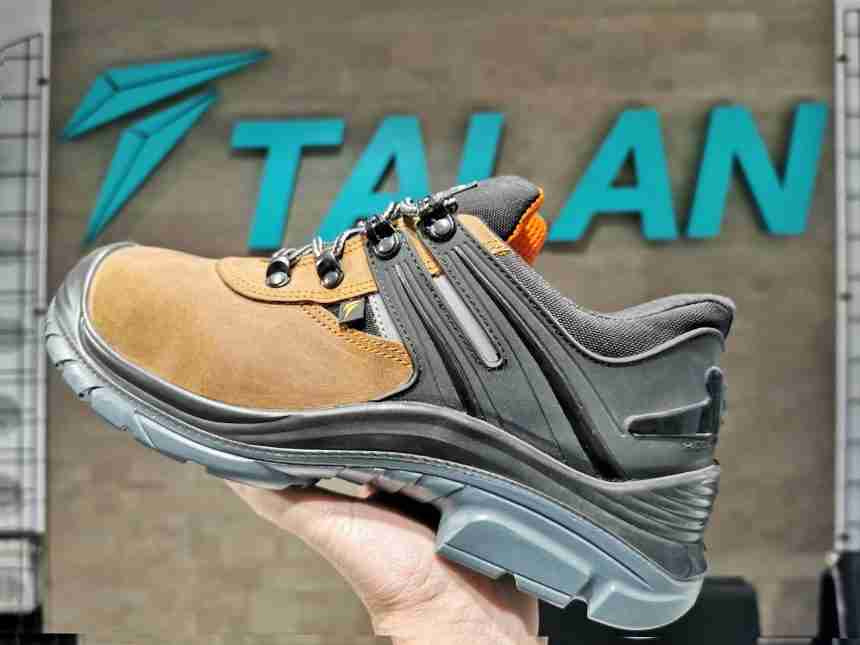
If you have ever dropped a heavy tool or metal part on your foot, you know how quickly a pleasant working day can turn into a real nightmare and a trip to the doctor. On the construction site, in the shop, in the warehouse – in any environment where there is a risk of falling objects, a reliable shoe is no longer just a simple piece of footwear. The underfoot is essentially a mini-shield built into the shoe. It’s the one that takes the impact, not your toes. But here’s the question: steel vs composite – which one to choose? In order not to guess at random, let’s understand their features and see where each option reveals itself best. And examples of suitable models can be found at https://talansafetyshoes.com/prod-cat/safety-boots/, which has solutions for builders, logisticians and engineers in UAE environments.
Steel underfoot: a proven classic
What workers like about steel:
- Strength and durability. Steel can withstand impact forces of over 200 Joules – more than enough for most production situations.
- Compact. Due to the smaller thickness, shoes with steel look neater.
- Price. Often costs less than a similar model with composite.
That’s something you have to put up with:
- Weight. Steel weighs shoes, and if you walk or stand a lot – your feet will get tired faster 2-3 times.
- Thermal conductivity. In the sun it gets very hot and overheats the foot, in the cold season on the contrary it pulls the cold inside. In the UAE it is especially felt.
- Electrical conductivity. Not the best option for electricians.
- Metal detector. Facilities with frames will have to explain themselves to security or it will become impossible to monitor workers for carrying metal to the gatehouse.
Composite underfoot: the modern answer
Why it’s gaining popularity:
- Lightweight. A third or even almost half the weight of steel, which is immediately noticeable when worn for long periods of time.
- Heat-neutral. Does not heat up in hot weather or cool down in air-conditioned rooms.
- Safe for electricians. Doesn’t conduct electricity.
- Passage without delay. Does not trigger metal detectors. Useful for airports, warehouses and secure facilities.
There are cons as well:
- Thickness. To achieve the desired strength, the composite is made thicker – the shoes can look more massive.
- Price. On average higher than steel models.
Brief comparison
| Feature | Steel sole | Composite sole |
| Weight | Heavier | 30-40% lighter |
| Thermal conductivity | Conductive | Does not conduct |
| Conductivity | Conductive | Does not conduct |
| Reaction to metal detector | Triggers | Does not work |
| Price | Cheaper | More expensive |
TALAN: shoes for all tasks
TALAN produces both steel and composite models so that the worker has a choice for specific tasks. For example, TALAN steel toe shoes are often used by construction workers, where impact resistance is a priority. And TALAN composite toe shoes are chosen by logisticians, engineers and installers who demand lightness and comfort in the hot UAE climate.
Regardless of the underfoot material, TALAN shoes have breathable materials, a comfortable last and a wear-resistant sole. This means that your foot feels secure at 8 a.m. and at the end of a 12-hour shift.
The final choice is up to you
Steel is durability and price, but with extra weight and heat conduction. Composite is lightweight and comfortable in the heat, but at a higher cost. There is no “universal champion” – there is a solution that is better suited for you.
Evaluate what is more important for you: maximum protection or minimum weight, the passage of the metal detector or budget. And then – choose a proven manufacturer. TALAN has both options, and in both cases you’ll get quality protection adapted to the UAE working environment.