

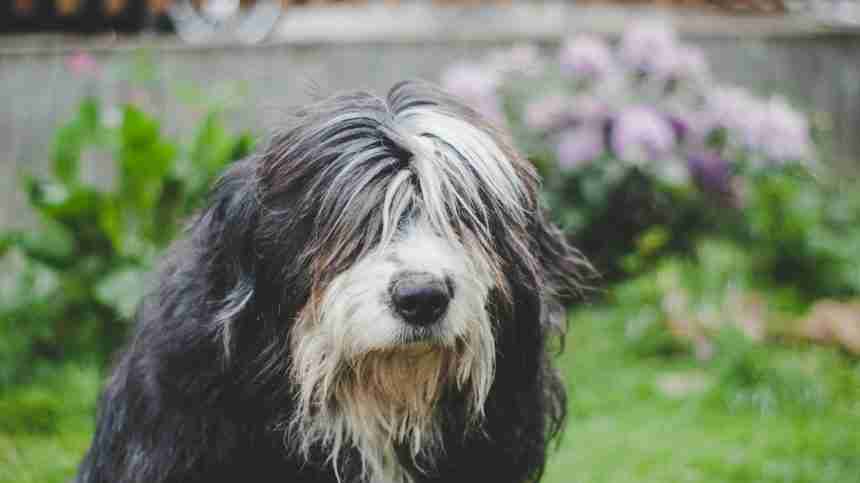
Long-haired dog breeds catch the eye with their flowing coats and majestic looks. Yet, to keep up their beauty, these dogs need regular grooming and care. If you own a Shih Tzu, Afghan Hound Collie, or any other dog with long hair, you must groom them well. This helps them look good and feel comfortable.
This article will teach you the best ways to groom long-haired dogs. You’ll learn about brushing methods, how often to bathe them, and how to keep their coats healthy all year.
Brushing: The Key to a Healthy Coat
Brushing forms the foundation of grooming long-haired breeds. These dogs tend to develop tangles and mats, which can cause discomfort and skin irritation if ignored. Brushing helps to prevent these problems while it has an influence on spreading natural oils through the coat maintaining its shine and health.
Daily brushing proves ideal for most long-haired dogs. Use a slicker brush or pin brush to work through the coat beginning at the ends and moving toward the skin. Focus on areas where mats often form such as behind the ears, under the legs, and around the collar. For dogs with double coats, an undercoat rake can help to remove loose fur and decrease shedding.
Bathing and Drying Techniques
You should wash your long-haired dog every 3–4 weeks, or when needed based on how active they are and where they spend their time. Pick a good quality shampoo made for dogs that works well with your pet’s skin. Don’t use shampoos made for people, as these can mess up the balance of a dog’s skin.
After you wash your dog, it’s important to dry them well. Long hair holds onto water, which can cause mold or skin problems if you don’t dry it. First, use a towel to soak up most of the water. Then, use a hair dryer on its lowest, coolest setting. As you dry your dog’s fur, brush it to stop knots from forming and to make sure all parts dry evenly. Some dog groomers suggest using finishing sprays or detanglers. These products can help you brush more easily and give your dog’s coat a nice polished look.
Trimming and Coat Maintenance
Long-haired breeds don’t need full haircuts as often as short-haired dogs, but they still need regular trims. Cutting fur around the paws private areas, and eyes keeps dogs clean and helps them see better. For dogs with feathery or flowing coats, shaping the fur can make them look prettier and stop dirt from building up.
If you don’t feel comfortable trimming your dog’s coat yourself, think about booking regular visits with a pro groomer. Many dog owners opt for dog grooming in San Jose because professional groomers understand how to care for different breeds and maintain a healthy, great-looking coat.
Ear, Eye, and Nail Care
Grooming involves more than just coat care—ears, eyes, and nails need attention too. Dogs with long hair often have fur that grows around or into their ears, which can trap moisture and debris. Clean your dog’s ears each week with a vet-approved ear cleaner and look for signs of redness or odor.
You should trim hair around the eyes to prevent irritation and tear staining. Use blunt-nosed scissors or ask a groomer for safe trimming. You need to clip nails every few weeks to prevent overgrowth and discomfort.
Seasonal Grooming Considerations
Grooming needs change with the seasons. When it’s warmer, dogs with long hair often shed more, so you’ll need to brush them more to control loose hair. Some people choose to trim their dogs’ coats shorter in summer to help them cool off, but it’s not a good idea to shave double-coated breeds.
Winter grooming centers on keeping coats clean and dry. After walks, wash your dog’s feet and think about using paw balm to guard against cracks and soreness.
To wrap up
Taking care of a dog with long hair takes time, patience, and the right gear—but it’s worth the trouble. A coat that’s well-kept doesn’t just look great, it also helps your dog stay healthy and happy. If you set up a regular grooming routine and get help from pros when you need it, you can make sure your furry friend with long hair stays comfy, clean, and good-looking all year round.