

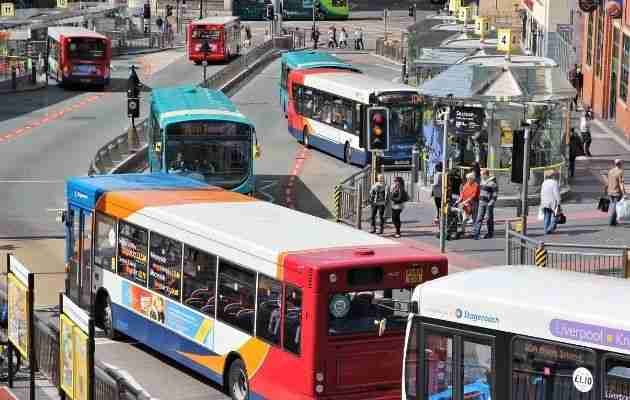
The iconic black taxi has been a symbol of British streets for generations, but the environment of urban transport is changing rapidly. As cities across the UK implement stricter emissions regulations and accessibility requirements, the traditional hackney carriage is evolving to meet modern demands. These changes reflect broader shifts in how society approaches urban mobility and environmental responsibility.
Modern purpose-built taxis represent this transformation of street transport, providing an example of how traditional services are adjusting to contemporary challenges. With various powertrain options now available to taxi operators, the familiar silhouette of the black cab continues its presence on British roads while adopting technological advancement. This shift addresses not only environmental concerns but also the growing focus on making transport accessible for all passengers.
For urban centres balancing heritage with progress, these next-generation vehicles show how established transport systems can be reimagined without losing their distinctive character. The transition marks an important chapter in the story of British street transport, where tradition meets innovation on the roads of bustling cities.
How UK Urban Transport Regulations Are Reshaping Taxi Fleets
British cities continue to update their rules about what vehicles can operate on their streets. London started this trend with its Ultra Low Emission Zone in 2019.
Now many other cities like Birmingham, Manchester, and Glasgow have created clean air zones, though the rollout varies by location and timeline. These rules mean older, more polluting taxis must be replaced or face daily charges.
The Department for Transport has also tightened accessibility standards. All taxis must now meet requirements for wheelchair users, but these requirements can differ between local authorities. This includes proper ramps, securing systems, and enough space for manoeuvring.
Fleet owners have had to adjust to these new rules under tight deadlines.
The timeline for these changes has been challenging for many operators. Most cities gave a transition period, but the deadlines have arrived or are fast approaching.
For small fleet operators and independent drivers, these regulations have created financial pressure. Upgrading to modern vehicles such as a Ford MAXiCab often involves careful financial planning, research, and assessment of possible savings through lower running costs and grant incentives.
Government grants have helped offset some costs. The Plug-in Taxi Grant offers up to £7,500 toward new electric taxis and makes the switch more affordable for many businesses.
Electric and Hybrid Options Transforming the Traditional Black Cab
The black cab is experiencing a power revolution with three main options now available. Diesel models offer familiar reliability with improved Euro 6e engines that reduce emissions compared to older versions. Hybrid taxis combine petrol engines with electric motors, allowing for zero-emission driving in city centres while maintaining longer range capabilities.
Fully electric taxis introduce the biggest change. These vehicles produce zero tailpipe emissions and can travel significant distances on a single charge. In London, electric models are often reported to cost less per mile than diesel equivalents, due to lower fuel prices and fewer mechanical parts needing replacement.
Despite higher purchase prices, the long-term savings can be substantial. Some electric taxi operators have reported notable fuel savings within a year after transitioning their fleets.
Charging Infrastructure Development Across British Cities
The infrastructure for supporting electric taxis varies widely across Britain. London now has thousands of public charging points, while smaller cities may have just a few dozen. This uneven distribution creates challenges for operators considering the switch to electric.
Major metropolitan areas are building their charging networks at different rates. London leads with thousands of charging points, while cities like Manchester and Birmingham are expanding their networks.
The UK government has committed funding to charging infrastructure, including support for taxi-dedicated rapid charging hubs. These initiatives aim to resolve one of the main barriers to electric taxi adoption.
Wheelchair Accessibility Innovations in Modern Taxis
Modern black cabs have improved accessibility standards across Britain. The latest models feature side-entry ramps that deploy safely, allowing wheelchair users to board with dignity and minimal assistance. This marks a major improvement over older taxis that often required awkward manoeuvring.
Technical guidelines for wheelchair accessible vehicles have been developed to address requirements such as entry points, securing systems, and interior dimensions. Designing vehicles to meet these guidelines often involves rethinking the vehicle layout from the ground up, rather than simply modifying existing models.
Technology has improved the accessibility experience for drivers and passengers alike. Electric ramps deploy at the touch of a button, creating a safer boarding process. Interior space has been adjusted for flat floors and removable seats, creating flexible configurations for different passenger needs.
Independent reviews of models compliant with accessibility standards point to measurable improvements. For example, with increased space for wheelchairs compared to previous models, wheelchair users may find it easier to enter and position themselves in the vehicle without needing extra assistance. The inclusion of grab handles, yellow strips for visibility, and improved entry angles directly addresses common complaints raised in passenger feedback surveys about older cabs.
The Business Case for Upgrading Commercial Transport Fleets
Government support makes upgrading taxi fleets more affordable than many operators realise. Additional local incentives in some cities can bring the total support even higher, narrowing the price gap between conventional and electric models.
Tax benefits further support the financial reason. Electric taxis qualify for zero vehicle excise duty and full first-year capital allowances, letting businesses deduct the full vehicle cost from taxable profits. This can result in strong savings in tax liability for taxi operators.
Customer preferences are shifting toward greener transport. Corporate clients, hotels, and airport transfer services increasingly request low-emission vehicles. Many passengers now express a preference for electric taxis over diesel models when given the choice.
Fleet operators who modernise often report positive results. Some companies that switched to electric vehicles have noted significant fuel savings in the first year. Others have found that electric cabs may require less downtime for maintenance compared to older diesel fleets.
Future-Proofing Against Regulatory Changes
Stricter vehicle emission rules are expected between 2025 and 2030, with more cities considering new zero-emission zones. Planning upgrades now prevents expensive last-minute replacements later.
Some operators choose a mix, using electric vehicles for city centre work and hybrids for longer trips. A flexible approach allows gradual transition as city infrastructure continues improving and keeps businesses prepared for regulatory changes.
Modern fleet management systems now play a larger role too. These tools organise charging schedules, help track emissions savings, and support compliance with detailed regulations. This technology streamlines the move to low-emission fleets and strengthens the business reasons for upgrading today.