

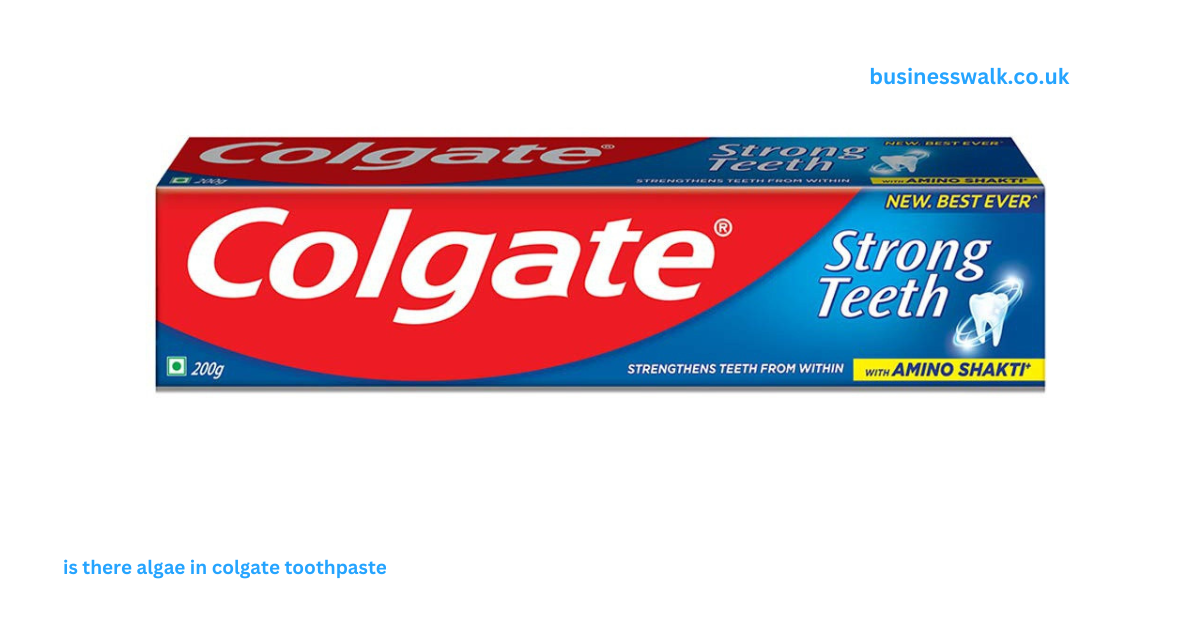
Toothpaste is a part of our daily routine, yet most of us rarely stop to question what ingredients we are putting into our mouths daily. Eco-conscious consumers and health enthusiasts, however, have started examining toothpaste labels closely, sparking debates about certain ingredients including algae. Recently, questions have arisen about whether is there algae in colgate toothpaste contains algae and, if so, what implications it may have for health and the environment.
If you’ve been uncertain about this topic or are simply curious about algae’s role in oral care, you’ve come to the right place. By the end of this blog, you’ll know the real story behind algae in toothpaste, understand its potential benefits and downsides, and have insights into making informed dental care choices.
What Is Algae?
First things first what exactly is algae? Algae refers to a diverse group of aquatic organisms that are rich in nutrients like proteins, vitamins, and minerals. Found in both freshwater and marine environments, algae range from the small (microscopic phytoplankton) to the large (seaweed).
What makes algae so versatile is its impressive functionality. Algae are commonly used in industries ranging from food and cosmetics to pharmaceuticals and, yes, oral care. For instance, carrageenan a thickening agent derived from red algae is widely used in many everyday products, including toothpaste.
But algae aren’t just functional; they’re also sustainable. Cultivating algae has a low environmental footprint, as it grows quickly, requires minimal resources, and absorbs carbon dioxide. This makes it an increasingly attractive ingredient for eco-friendly practices across industries.
The Truth About Algae in Toothpaste
You might now be wondering, “Does Colgate toothpaste actually contain algae?” While Colgate does not directly add algae to its products, it does use carrageenan, an extract derived from red algae, as a binder and thickening agent in several toothpaste formulations.
Carrageenan plays an important role in giving toothpaste its texture and consistency, helping it stay spreadable while maintaining its gel-like structure. However, because carrageenan is a processed form of algae, some people mistakenly believe they are brushing their teeth with raw, green seaweed this is not the case!
Despite concerns occasionally raised in online discussions about processed algae derivatives, leading health and safety organizations, such as the FDA and EFSA, have declared food-grade carrageenan safe for use in products like toothpaste.
Addressing Common Concerns
It’s natural for questions to pop up, especially when unfamiliar ingredients are involved. Some critics voice concerns about allergies or sensitivities to carrageenan. However, such reactions are rare and usually occur only in cases where individuals are predisposed to specific sensitivities. For most users, carrageenan and other algae-derived ingredients in toothpaste pose no risks.
Benefits of Algae in Toothpaste
While the inclusion of algae extract may raise eyebrows initially, there are several positives to consider. Here’s why algae-based ingredients, like carrageenan, are a win for oral care and sustainability enthusiasts alike:
1. Natural Origins
Unlike synthetic binders and stabilizers, algae-derived carrageenan is extracted from a natural source, making it a more eco-friendly option.
2. Eco-Friendly Sustainability
Algae are one of the most sustainable crops in the world. It grows rapidly, doesn’t need freshwater resources, and absorbs CO2 during cultivation helping reduce the planet’s carbon footprint.
3. Improved Product Stability
Using algae-based ingredients like carrageenan ensures a consistent, smooth texture in toothpaste, making it easy to dispense and apply evenly on your teeth.
4. Vegan and Cruelty-Free
Because algae are plant-based, they’re an excellent option for vegan and cruelty-free products, catering to consumers who care about ethical purchasing.
Algae-Free Alternatives
If algae-derived ingredients still don’t align with your personal preferences, don’t worry there are plenty of algae-free toothpaste options available on the market. Here are some popular alternatives to consider:
1. Baking Soda-Based Toothpastes
Baking soda is a natural and highly effective alternative, providing cleaning power without the need for binders like carrageenan. Brands like Arm & Hammer specialize in these formulations.
2. Essential Oil Toothpastes
Some brands utilize natural essential oils, like peppermint or tea tree oil, for a refreshing and algae-free oral care experience. Examples include Tom’s of Maine or Desert Essence.
3. Toothpowders
For those seeking minimalist and sustainable alternatives, toothpowders made of clay or activated charcoal provide an entirely plant- and mineral-based solution. They’re also often packaged without plastic.
The Future of Algae in Oral Care
The use of algae in oral care products is still evolving, and the potential applications are exciting. Researchers are now exploring how algae could play a broader role in sustainable oral health. For example, certain types of algae possess antimicrobial properties, which could lead to toothpaste formulations that naturally fight cavity-causing bacteria. To complement these innovative products, incorporating oral probiotics from Amazon.com into your oral care routine can help balance the bacteria in your mouth, further promoting healthy teeth and gums.
Additionally, efforts are underway to utilize algae in biodegradable packaging for oral care products. Imagine brushing your teeth with a toothpaste that leaves virtually no environmental footprint it’s a future that’s closer than you think.
Make Smarter Choices for Your Smile (and the Planet!)
The inclusion of algae-derived ingredients like carrageenan in toothpaste raises important questions about personal health and planetary impact. Understanding these ingredients and their uses can empower you to make educated decisions about your oral care routine.
Whether you choose to stick with brands using algae for its sustainable benefits or explore algae-free alternatives, taking the time to examine your options can lead to healthier smiles and a healthier planet.
Taking charge of your dental health means staying informed. Which route will you go algae-enhanced or algae-free? Share your thoughts in the comments below or explore our latest guide to sustainable dental products!
Read more: university of metaphysics vs university of metaphysical sciences