
Krakow, a city rich in history and culture, is an essential destination for any traveller seeking a unique European experience. As one of Poland’s most vibrant cities, Krakow offers an intriguing blend of medieval architecture, bustling markets, and a lively arts scene. The city is home to numerous museums and galleries that showcase its storied past and dynamic present, making it a captivating place for visitors from all walks of life.
For those looking to experience this enchanting city without breaking the bank, cheap holidays to Krakow are increasingly accessible. With affordable flights and accommodation options available year-round, it’s easier than ever to plan a budget-friendly trip. Beyond its affordability, Krakow offers exceptional value with its wealth of free or low-cost attractions, such as Wawel Castle and St. Mary’s Basilica. These highlights ensure that your visit will be both memorable and economical.
Online travel agencies like Travelodeal can simplify your journey by offering tailored packages that cater to various interests and budgets. From guided tours that delve into Krakow’s historical significance to culinary excursions showcasing traditional Polish cuisine, these agencies provide comprehensive Krakow travel guides that make planning seamless.
By entrusting your itinerary to experts familiar with the area’s best-kept secrets, you can maximise your time in this remarkable city while enjoying peace of mind, knowing every detail has been thoughtfully arranged for you.
Best Time to Visit Krakow
When planning a trip to Krakow, understanding the local weather and events can significantly enhance your experience. Krakow’s climate is temperate, with distinct seasons that each offer unique attractions.
Spring: Spring, from March to May, is an excellent time to visit as the city awakens from winter. The weather in Krakow during spring is mild and pleasant, making it ideal for exploring its historic streets and enjoying outdoor cafes. This period also hosts the Easter Markets, where you can immerse yourself in local traditions and crafts.
Summer: Summer, spanning June to August, sees warmer temperatures and longer days. While this is a popular tourist season due to school holidays across Europe, it’s also when Krakow festivals are in full swing. The Jewish Culture Festival in Kazimierz draws visitors with its vibrant performances and workshops.
Autumn: Autumn arrives in September and lasts until November. The crisp air and colourful foliage make it one of the best times to visit Krakow. The International Film Festival Etiuda and Anima takes place during this season, attracting film enthusiasts from around the world.
Winter: Winter can be quite cold, with occasional snowfall from December through February; however, visiting during this time has its charm. The Christmas markets transform the Main Market Square into a festive wonderland filled with lights and seasonal treats.
Choosing the best time to visit depends on your personal preferences for weather conditions and interest in seasonal events in Krakow. Each season offers something special that showcases the city’s rich culture and history.
Getting Around Krakow
Navigating the charming streets of Krakow is a breeze, thanks to its efficient public transport system. Whether you’re visiting for business or leisure, understanding the ins and outs of getting around in Poland’s cultural capital can enhance your travel experience.
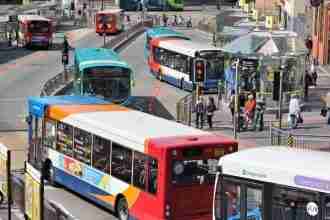
- Krakow public transport primarily consists of trams and buses, which are both reliable and cost-effective. The city boasts an extensive network that connects key areas, making it easy for travellers to explore without the need for a car. Trams are particularly popular due to their frequency and coverage, especially in the city centre where traffic congestion can be an issue.
- When planning your journey, consider purchasing a Krakow Card or a 24-hour ticket if you plan on multiple trips throughout the day; these options offer unlimited travel on trams and buses within specified zones. Tickets can be bought at kiosks or via mobile apps, providing convenience for tech-savvy travellers.
- For those unfamiliar with Polish transport systems, it’s worth noting that tickets must be validated upon boarding. Look out for validation machines near tram doors or inside buses to ensure compliance with local regulations.
- In addition to traditional public transport options, Krakow also offers bike rentals and pedestrian-friendly paths for those who prefer exploring at their own pace.
Must-See Attractions
Kraków, a city steeped in history and culture, offers a myriad of attractions that are sure to captivate any visitor.
Kraków Old Town: At the heart of the city lies Kraków Old Town, a UNESCO World Heritage site renowned for its stunning medieval architecture. Here, you’ll find the bustling Main Market Square, one of the largest in Europe, surrounded by historic buildings and charming cafes.
Wawel Castle: A short walk from the Old Town leads you to Wawel Castle, an iconic symbol of Poland’s national identity. Perched on Wawel Hill overlooking the Vistula River, this magnificent castle complex was once home to Polish royalty and now houses impressive art collections and royal chambers waiting to be explored.
Auschwitz-Birkenau Tour: No visit to Kraków would be complete without taking an Auschwitz-Birkenau tour. This poignant memorial site offers a sobering insight into one of history’s darkest chapters. Guided tours provide valuable context about the Holocaust and ensure that visitors leave with a deeper understanding of its impact.
Schindler’s Factory Museum: For those interested in more recent history, a visit to Schindler’s Factory Museum is essential. Situated in the former enamel factory owned by Oskar Schindler during World War II, this museum provides an immersive experience of life under Nazi occupation through multimedia exhibits and personal stories.
These must-see attractions not only showcase Kraków’s rich historical tapestry but also offer profound experiences that resonate long after your visit has ended.
Cultural Etiquette
When travelling to Poland, understanding the local customs and traditions can greatly enhance your experience and help you connect with the people you meet. Polish culture is deeply rooted in history and tradition, and being aware of certain etiquette dos and don’ts is essential for any traveller looking to make a positive impression.
Greeting Locals: One important aspect of Polish culture is the emphasis on politeness and formality, especially when meeting someone for the first time. A firm handshake accompanied by direct eye contact is customary when greeting someone. It’s also polite to address people using their titles or surnames unless invited to use their first name, which signifies a closer relationship.
Dining Etiquettes: Dining etiquette in Poland also has its own set of rules. For instance, it’s courteous to wait for your host before you begin your meal. If you’re invited into a Polish home, it’s customary to bring a small gift such as flowers or sweets. However, avoid giving yellow chrysanthemums as they are associated with funerals.
Communicating with the Locals: Learning basic Polish phrases can go a long way in showing respect for the local language and culture. Simple greetings like “Dzień dobry” (Good day) or “Dziękuję” (Thank you) are appreciated by locals and can break down barriers during your travels.
Read more: Chrisley Knows Best Daughter Dies