

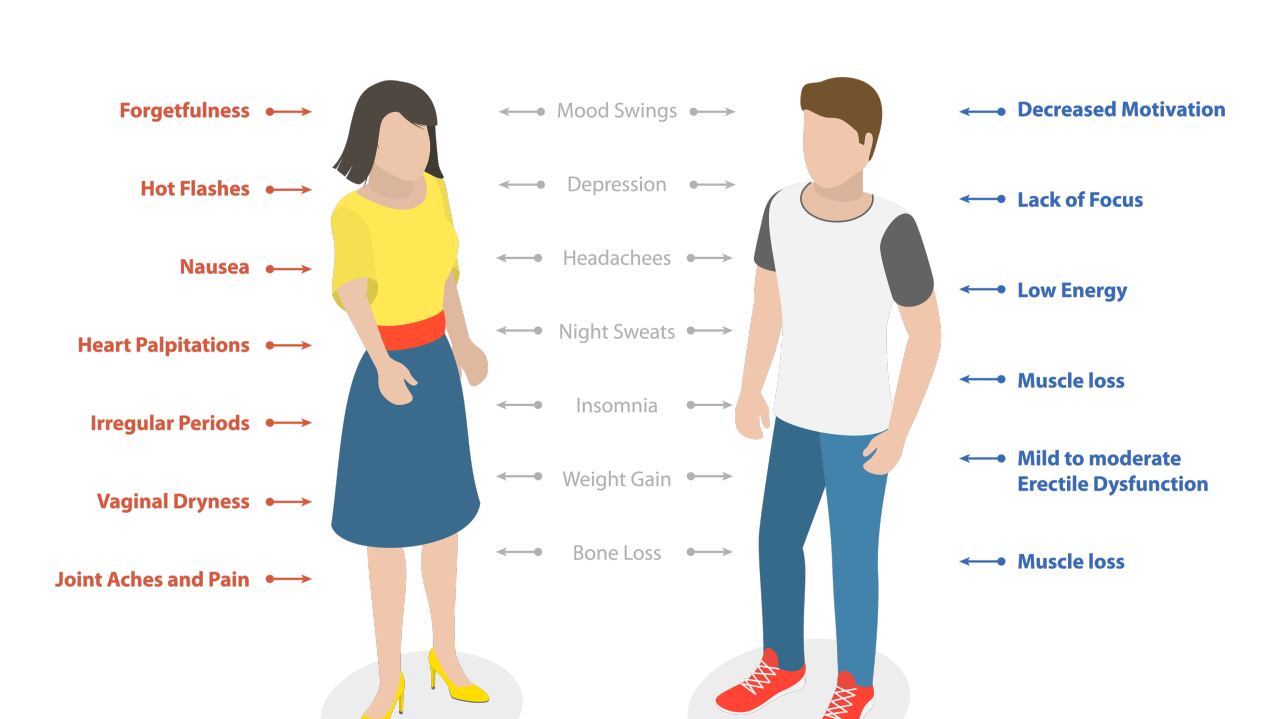
Feeling constantly tired, mentally foggy, or emotionally off-balance is more than just a side effect of a busy lifestyle. For many individuals, persistent low energy is a warning sign of something deeper—an imbalance in the body’s hormonal system. Hormones are the body’s chemical messengers, influencing nearly every major process from metabolism to mood. When they fall out of sync, energy levels often plummet, leaving people exhausted, frustrated, and unsure of the cause. Understanding the link between low energy and hormonal imbalance can help uncover root issues and provide direction toward effective solutions.
Understanding hormonal imbalance
Hormones are produced by glands throughout the endocrine system, including the thyroid, adrenal glands, and reproductive organs. These hormones regulate a wide range of body functions such as sleep, appetite, mood, and energy production. A hormonal imbalance happens when the levels of a hormone in the bloodstream are either excessively high or unusually low.
Common causes of hormonal imbalance include chronic stress, poor diet, aging, thyroid dysfunction, and certain medical conditions. Both men and women can experience these imbalances, although the specific hormones affected may differ. For example, declining estrogen levels are more common in women, while reduced testosterone is a concern for men.
How hormonal changes impact energy levels
One of the most overlooked effects of hormonal imbalance is fatigue. Low energy is often misattributed to lack of sleep or overwork, when in reality it may stem from a deeper hormonal issue.
1. Thyroid hormones
The thyroid gland is essential for controlling metabolism and managing the body’s energy levels. An underactive thyroid (hypothyroidism) slows down bodily functions, causing fatigue, sluggishness, and even depression. This condition may also lead to weight gain and cold sensitivity, which further contributes to low energy.
2. Cortisol and stress
Cortisol, known as the stress hormone, helps regulate the body’s response to stress. Chronic stress can lead to cortisol dysregulation—either too much or too little—which disturbs sleep patterns and leaves individuals feeling constantly drained.
3. Sex hormones
In women, fluctuations in estrogen and progesterone during menopause can significantly affect energy. Similarly, low testosterone in men can result in fatigue, reduced motivation, and loss of muscle mass. These symptoms are often subtle but can greatly disrupt daily life.
Diagnosing and addressing the root cause
Identifying a hormonal imbalance requires more than a general wellness checkup. Comprehensive hormone testing, including blood work and symptom analysis, is essential. It is advisable to work with a qualified healthcare provider who specializes in hormonal health.
Lifestyle changes such as improving diet, incorporating regular exercise, managing stress, and getting adequate sleep can help restore balance. However, in more persistent or severe cases, hormone replacement therapy may be recommended to help correct the deficiency and restore energy levels more effectively.
Low energy is not always a lifestyle issue—it is often a signal that something deeper needs attention. Hormonal imbalance affects many people without clear symptoms until fatigue becomes overwhelming. With proper evaluation and targeted treatment, it is possible to restore hormonal harmony and reclaim a more energetic, balanced life.