
When Passion Isn’t Just a Pastime Anymore
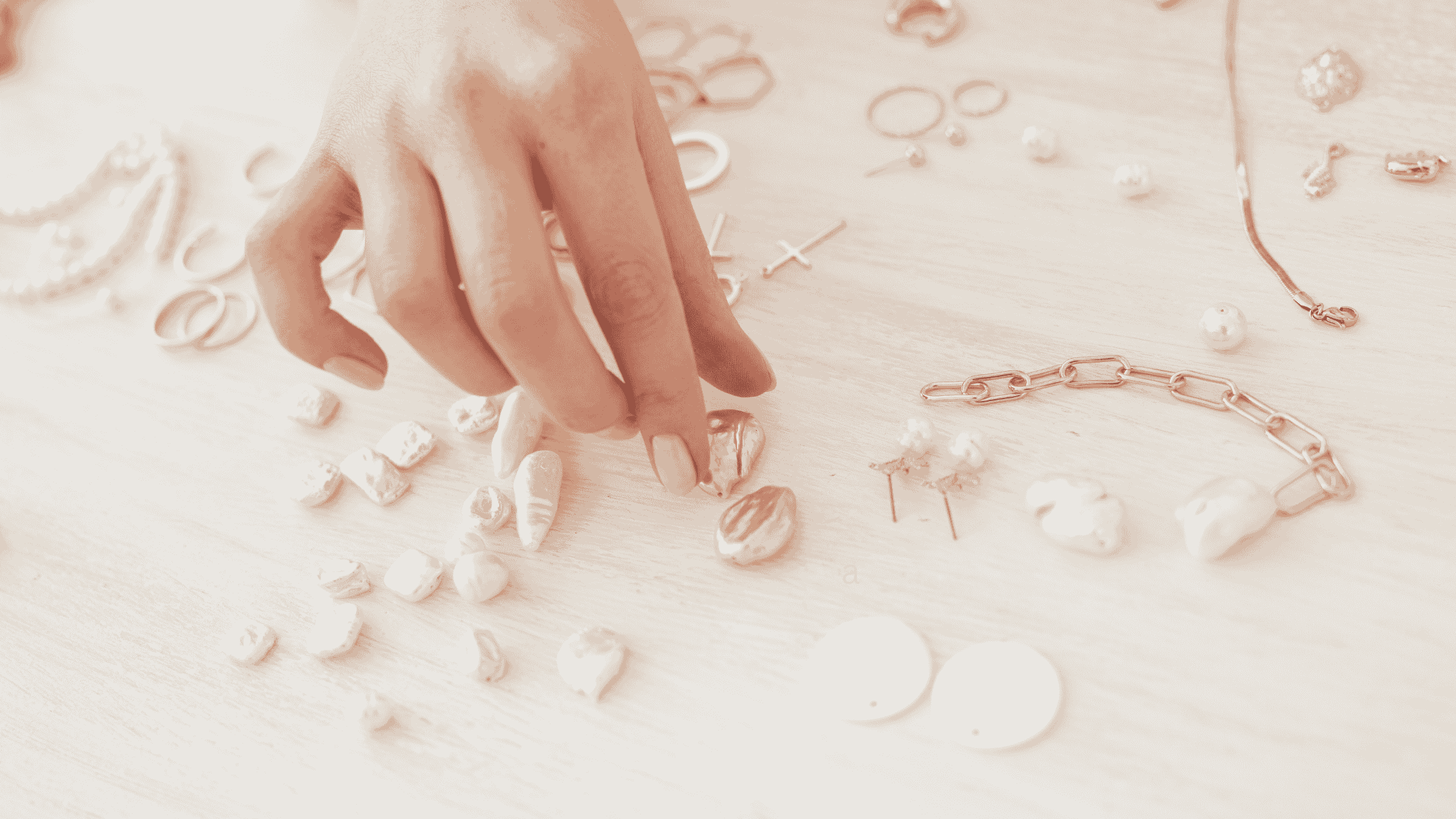
It starts innocently enough. You make a bracelet for a friend, or a necklace just to see if you can. You post a photo, get a few likes, and suddenly someone asks, “Can I buy this?”
Next thing you know, you’re spending your evenings hunched over your workbench (or let’s be honest, your kitchen table), fulfilling orders between cups of tea and late-night packaging marathons. That moment — when your craft starts feeling like more than just a hobby — is a powerful one. And terrifying. And exciting.
This is for the makers who are ready to take that next step. Who want to stop treating their jewelry business like a side hustle, and start building something real — something sustainable, profitable, and worthy of the high street.
Let’s talk about how to get there.
Getting Clear on Why You’re Doing This
Before you even think about scaling up, take a minute to get honest with yourself. Why do you make jewelry? What lights you up about it? And what kind of business do you actually want to run?
Do you want to grow a team, launch a luxury brand, get stocked in big-name retailers? Or do you just want to earn a full-time income doing what you love, without burning out?
There’s no right answer here — but clarity is key. Because scaling a business isn’t just about selling more. It’s about building something that fits your life, your values, and your creative spark.
What Makes Your Jewelry Yours?
There’s a lot of jewelry out there. Like, a lot. What makes someone choose your pieces over another maker’s?
This is where your story, your aesthetic, and your point of view become your greatest assets.
Maybe your work is deeply personal — you design mothers necklaces with birthstones and initials to celebrate the bond between parent and child. Maybe you’re obsessed with sacred symbols and hidden meanings, and your pieces carry messages through angel numbers or protective charms. Or maybe you just have an eye for ultra-clean lines and make minimalist jewelry that people wear every single day.
Whatever it is, lean into it. Don’t try to make something for everyone — make something that’s unmistakably yours.
Production: The First Scaling Roadblock
If you’re still making every piece by hand, one at a time, you’ve probably already hit a wall. There’s only so much time in the day. And unless you’re planning to clone yourself, scaling your jewelry biz means you’ll need to change how you make things — or at least how you think about making them.
Start with Batch Production
Instead of making each order from scratch, look for ways to prep in bulk. Cut ten chains instead of one. Cast multiple pendants at once. Assemble components in batches, so when an order comes in, most of the work is already done.
It doesn’t make the work less meaningful — it just makes it more efficient.
Consider Bringing in Help
This part can be tricky, especially if you’re a bit of a perfectionist (hi, same). But if you want to grow, you can’t do everything. Maybe you hire someone to help with admin. Maybe a fellow maker handles polishing or packaging. Maybe you outsource certain parts of production to a local artisan or small manufacturer — someone who understands your standards.
Even one pair of extra hands can free you up to focus on designing, creating, and steering the ship.
Creating a Product Line That Can Grow With You
If you want to scale, your product range needs to support that growth.
That doesn’t mean churning out tons of random designs — it means being strategic. Here’s how:
Build a Core Collection
These are your go-to pieces. The ones people love, reorder, gift, and tell their friends about. Your bestsellers. Your icons. These should be simple enough to make at scale, yet distinct enough to carry your brand identity.
Add Meaningful Custom Options
Personalized jewelry still has huge appeal — especially when tied to milestones or emotions. Think hand-stamped initials, birthstones, charms with meanings. Pieces that mark motherhood, friendship, memory. The mother daughter necklaces trend, for instance, is booming — and when done right, can become a signature offering for your brand.
Create Limited Editions
Keep things interesting (and fun for you) by releasing small, limited-time collections. These could be seasonal, themed, or made with rare stones. They create urgency, drive sales, and keep your audience coming back for more.
Branding: More Than Just a Pretty Logo
People buy from brands they feel something for. Especially when it comes to jewelry, which is so emotional, so intimate, so symbolic.
Your brand isn’t just your logo or your Instagram grid — it’s the entire vibe people get when they land on your page or open your packaging. It’s the tone of your emails, the way you talk about your designs, the experience someone has when they wear your pieces.
Tell Your Story — Authentically
Why do you do what you do? Where do your ideas come from? What do your pieces mean?
If you’re making a necklace inspired by angel numbers, explain what those numbers represent and why they matter. If your designs celebrate family, connection, memory — say that. Share what you believe in. People connect with people, not products.
Make Your Packaging an Experience
Think about how someone feels when they open your jewelry. Is it a little moment of joy? A keepsake? A memory?
Even simple touches — a handwritten note, a care card, a linen pouch with your branding — can make someone feel valued and create an emotional connection with your brand.
Pricing: Don’t Sell Yourself Short
Let’s talk about money. More specifically — pricing. This is where a lot of makers struggle, because there’s a temptation to price low just to make sales. But if you’re going to build a business — a real, sustainable, profitable business — you have to price for growth, not just to get by.
A Simple Pricing Formula:
(Materials + Time + Expenses) x Markup = Retail Price
Don’t forget to include:
- Your actual time (design, emails, admin)
- Studio expenses
- Website fees, transaction fees
- Packaging and shipping
- Marketing costs
And then — mark it up. Seriously. Jewelry is about perceived value, and underpricing can actually hurt your brand.
If someone’s buying a beautiful, meaningful necklace — say, one of your mothers necklaces — they’re not just buying silver and a chain. They’re buying emotion, intention, artistry. Price accordingly.
Building Your Online Presence
These days, if you’re not online, you’re invisible. Even if you sell at markets or have stockists, your website and social media are your brand’s digital storefront. Make them count.
Your Website Should Feel Like You
Whether you use Shopify, Squarespace, or Wix, your site should reflect your brand and make shopping easy. Use clear photos, simple navigation, and compelling product descriptions. Tell the story of each collection. Share customer reviews. Highlight your hero pieces.
SEO Isn’t Just for Tech Nerds
Optimise your product titles and descriptions with real keywords people are searching for — but keep it natural. For example:
- “Personalised birthstone necklace for mums”
- “Sterling silver mother daughter necklaces gift set”
- “Gold charm necklace featuring angel numbers”
You don’t need to stuff keywords — just write like a human who understands what people are looking for.
Social Media: Connection Over Perfection
You don’t need 100k followers to build a successful jewelry brand. You just need to show up, tell your story, and connect with your people.
Instagram, TikTok, and Pinterest are powerful platforms for jewelry — but only if you use them with purpose.
Post the Real Stuff
People want to see the process, not just the product. Share behind-the-scenes videos. Show your workspace. Talk about your inspiration. Let people into your world.
Use Video (Even if You Hate It)
Reels and TikToks are gold for visibility. You don’t have to dance or point at text — just show your hands making a piece. Film yourself packing an order. Do a voiceover talking about what a certain design means. Especially if it’s something symbolic, like a charm inspired by angel numbers.
Growing Beyond Your Website
As you scale, you’ll want to expand beyond just your own site. Here are a few options to consider:
Online Marketplaces
Platforms like Etsy, Not On The High Street, or even Trouva can help get your work in front of new audiences. Just be mindful of fees and margins — and always aim to move customers to your own site for repeat orders.
Wholesale & Stockists
Reach out to independent boutiques, gift shops, and lifestyle stores that align with your aesthetic. Send a thoughtful pitch with a lookbook or line sheet, and be clear on your terms.
Events & Pop-Ups
There’s nothing like seeing people connect with your work in person. Whether it’s a craft fair, a local market, or a seasonal pop-up, selling face-to-face can give you priceless feedback — and make you unforgettable.
Your First Hire (Yes, It’s Time)
When orders pile up, social media slips, and you start resenting your inbox — it’s time to get help.
Start small. A few hours a week. Maybe a VA to handle emails. Maybe someone to pack and post. Maybe a junior maker to help with production. Whatever gives you breathing room.
You don’t need to become a big company overnight. But you do need to protect your energy if you want to keep growing.
Final Thoughts: Build a Business That Still Feels Like You
Scaling a handmade jewelry business doesn’t mean losing what made it special in the first place. You don’t have to turn into a factory, or become someone you’re not.
You just need structure. Intention. Clarity. And maybe a little courage.
You’ve already proven you can create something beautiful with your hands. Now it’s time to build something beautiful with your brand.