
It can be hard for commercial kitchens, catering companies, and certain home cooks to keep food fresh after cooking but before serving. After cooking, food cools down and dries out, which changes its taste, texture, and safety. In this instance, a hot holding cabinet is quite crucial. A holding cabinet keeps food secure and at the right temperature so that it stays wet and has the right texture. This keeps dishes that are ready to eat fresh and makes serving them easier. Understanding how these technologies function highlights their importance in today’s food service settings, where speed and quality are both crucial.
The Basics of Food Holding Cabinets
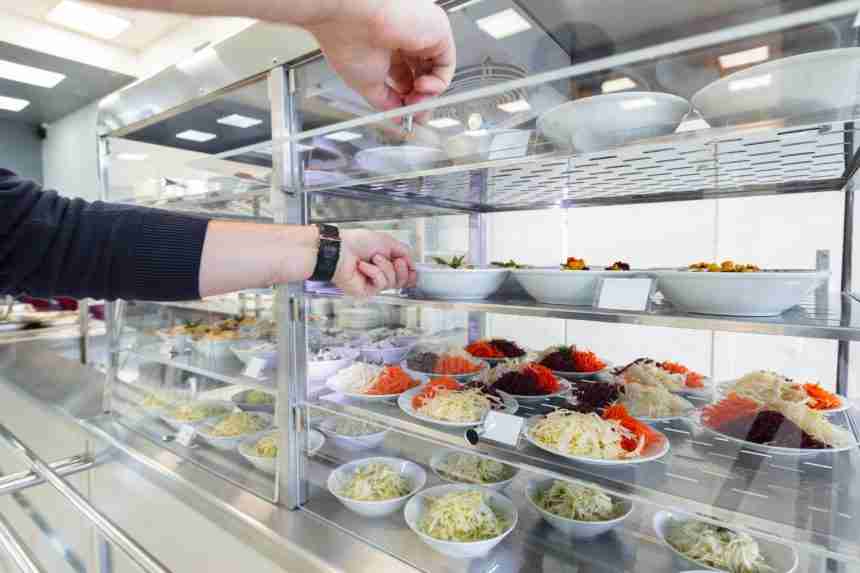
A warming cabinet, hot box, or food holding cabinet keeps food safe until it’s time to serve it. There are many different sizes and types of these cabinets. Some are small and sit on the counter, while others are full-height and may be moved around for catering. A heating and humidity system controls the inside temperature and humidity. This prevents germs from growing and keeps food fresh and safe.
Preserving Temperature: The Core Function
Controlling the temperature is very important for keeping food fresh. The “danger zone” for hot food is below 140°F. Salmonella and E. coli can grow quickly here. Holding cabinets keep food from being too hot by keeping the temperature steady. The cabinet keeps food hot enough to be safe without frying, whether it’s stored for a few minutes or a few hours. This is very important in commercial kitchens that create big quantities and serve them when they are busy.
Humidity Control and Moisture Retention
Just the temperature can’t keep cooked food fresh. Low humidity can make foods dry out, lose their flavour, or become rubbery. This extra moisture is helpful for things that are very dry, such roasted meats, breaded dishes, and baked products. The humid air in the cabinet stops food from drying out and makes it taste, smell, and feel fresh for hours.
Avoiding Overcooking: The Gentle Heat Approach
A holding cabinet doesn’t cook food like a stove or oven. It doesn’t cook food; instead, it warms it up with mild ambient heat. This difference is very important for food safety. If you cook meats too long, they can turn tough, veggies can go mushy, and sauces or glazes can separate. The holding cabinet keeps food at the right temperature for serving while keeping its original purpose by using moderate, continuous heat. This is vital since soufflés, seafood, and different kinds of pastries are sensitive to time and temperature.
Consistency Across Large Volumes
If you have a lot of customers, cooking meals on demand might take a long time and not always work. Chefs may make dishes in holding cabinets and be sure that they will all be good. This sameness makes things easier and makes sure that every diner gets a tasty meal. Mobile holding cabinets keep food hot and fresh until it is served. It helps with catering.
Energy Efficiency and Modern Design
Modern holding cabinets consume less energy. These units use less power than older versions or quick fixes because they have better insulation, energy-efficient heating parts, and preset settings. Some of the newer versions allow you to control the temperature and humidity in each zone, so you may preserve different foods in the same unit without affecting their quality. Holding cabinets in a corporate kitchen are useful and long-lasting since they can be used in many ways and work well.
Extending Shelf Life for Prepared Dishes
Food doesn’t keep fresh for very long in holding cabinets, although it does stay fresh for a service window. This implies that cooks and kitchen managers will waste less food and keep better track of their supplies. Instead of throwing away perfectly delicious food that cooled too quickly or dried up before serving, operators can employ holding cabinets to keep dishes fresh. Using kitchen resources better and throwing away less food is good for the environment.
Conclusion
A holding cabinet does more than keep meals hot. This exact tool keeps food safe, tasty, and good-looking. These cabinets help cooks keep food fresh, make things run more smoothly, and make customers happy by controlling temperature and humidity. The holding cabinet is a quiet but helpful kitchen tool at a time when quality and efficiency need to be matched. It keeps food hot, fresh, and ready to eat.