

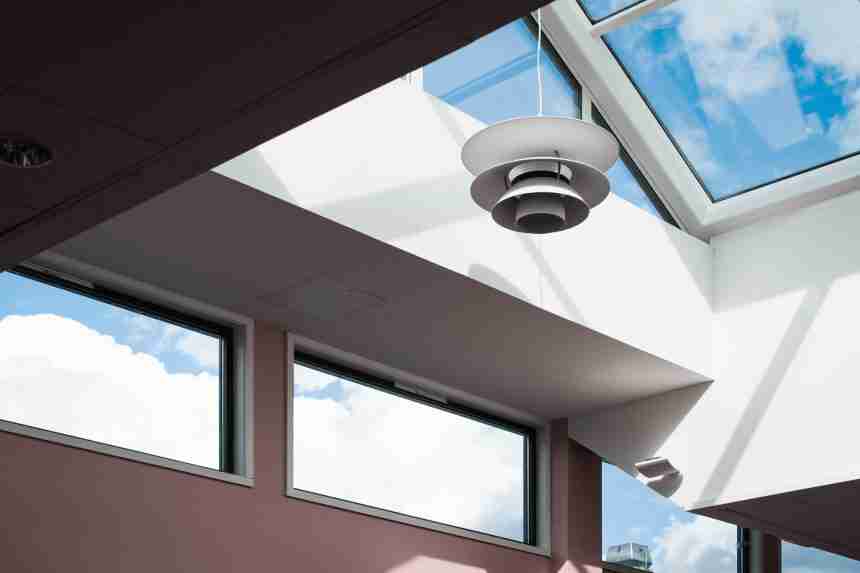
Are you planning to add extra space, improve ventilation, and better lighting to your home? Rooflight loft conversions could be the answer. As one of the most cost-effective and straightforward types of loft conversions available, they add value to your property and breathe new life into an unused space.
In the following write-up, we’ll explore ways to maximise natural light and airflow through a rooflight loft conversion. Its benefits and drawbacks, and what makes this type of loft conversion a popular choice among homeowners across the UK.
What Is A Rooflight Loft Conversion?
A rooflight loft conversion doesn’t require any structural changes to your roof. Instead, rooflights (popularly known as skylights) are installed within the existing roof pitch to allow daylight and fresh air to enter the space. This is performed without making changes in the roofline and is considered a simple and budget-friendly loft conversion. Unlike dormer loft conversions, which include significant structural changes, rooflight loft conversions keep things minimal. Also, this type of loft conversion is cost-saving, hassle-free and requires less time to build than other types.
What Are The Benefits of Rooflight Loft Conversions?
The following are significant benefits of rooflight loft conversions in Birmingham:
Incredible Natural Light
Rooflights are meant to maximise the amount of sunlight entering your space. Because they are installed on the roof slope, they are directly exposed to the sky, making them more effective at getting daylight than vertical windows. If you want to convert a loft into a new bedroom, studio, or study, it’s essential to have a lot of daylight. Natural light can make your space feel large, more accommodating and more comfortable to spend time in.
Improve Ventilation
Ventilation is often ignored during a loft design, but it plays a crucial role in adding comfort to your space. Rooflights can be installed with openings to let fresh air circulate entirely. This is useful in the summer months when lofts easily get overheated. You can strategically place the rooflight on its opposite sides to create a natural cross-breeze. Also, some types are paired with electric or solar-powered openers, temperature controls, and rain sensors – everything to automate ventilation according to your weather requirements.
Affordability
This type of loft conversion is quite affordable. Since there’s no need for extensive structural changes or extensions, the costs of labour and material are low. This makes rooflight loft conversions an ideal option for homeowners who want a low-budget investment or are looking for high returns on investment.
Minimal Disturbance
This type requires minimal construction work, making the process easier and less time-consuming compared to other types of loft conversions. You can also stay in your property throughout the construction process and enjoy a remarkable finish within a few weeks.
Planning Permission
When rooflights are installed on the rear-facing side of the roof, rooflight loft conversions are considered under permitted development rights. Still, it’s essential to understand their limitations.
Are There Any Drawbacks?
There are many benefits of rooflight loft conversions, but it’s significant to consider a few limitations before deciding whether this conversion type is right for your home. Here are its notable disadvantages:
No Additional Headroom or Floor Space
Since the roof isn’t extended, you won’t get any new structural space. If you have limited head height in your loft, consider reducing the ceiling in the rooms below or explore other types of loft conversions in Milton Keynes.
Layout Restrictions
You must work with the existing roof height, which may restrict you from keeping furniture or fittings. The sloping roofs are appealing, but they have some design restrictions.
Insulation and Temperature Control
Every loft requires proper insulation to maintain comfort. Rooflights can cause heat loss in winter and heat gain in summer if they aren’t installed correctly. So, keep in mind to opt for high-performance, energy-efficient windows.
Do Rooflight Loft Conversions Still Need Planning Permission?
If you want rooflights to be installed at the front of your home, you will need planning permission because they are visible. Although rooflight loft conversions don’t change the roof in most cases. However, anything that changes the external appearance of the front of your house usually requires formal approval.
Depending on your local council’s rules, installing rooflights behind the property may or may not require permission. In general, a rear rooflight will be allowed, as it doesn’t add volume to the building and is hidden from the public view. However, rules may vary between boroughs. Therefore, it’s always wise to check with your local planning authority before starting any work. Even if you know that your project is qualified under the Permitted Development, you must stay on the same page with the council and avoid unwanted problems in the future.
Valuable Tips To Optimise Ventilation And Light
Here’s how to seek maximum advantages of your rooflight conversion when it comes to enhancing ventilation and light:
- You must strategically place your rooflights on south-facing slopes to enjoy maximum daylight and on north-facing slopes for softer lighting, which is ideal for offices or creative spaces.
- Don’t forget to create a cross-ventilation effect by positioning two or more rooflights on opposite slopes of the roof. This will ensure proper air circulation in your space.
- From top-hinged openings to trickle vents, modern rooflights often optimise ventilation and allow fresh air to enter your loft year-round.
- You can also consider installing roof windows with smart sensors or automation features that automatically open when your space gets extremely warm or stuffy.
- You must choose soft colours and light-reflecting interiors to ensure your space remains more open and airy.
- It’s significant to consider energy-efficient windows to reduce heat gain in summer and prevent heat loss in winter. Solar control or tinted glass can also help to minimise glare.
Final Thoughts
Rooflight loft conversions are a stylish and cost-saving means to increase the value and functionality of your home. It can make the most of your unused space, upgrade it with natural light, and provide excellent ventilation – all with minimal disturbance, on a low budget, and often without the need for planning permission.
Need to know more about a rooflight loft conversion? Contact Touchstone Lofts today to discuss your options and how we can help you choose the right type of loft for your home. Whether you want to set up a home office, or want to get an ensuite bedroom or a creative studio, our loft conversion specialists can guide you to choose the right type. So, feel free to contact us today!