

Greece’s real estate landscape has undergone a remarkable transformation since emerging from its economic crisis. The primary market now presents compelling opportunities for both domestic and international investors, with villas for sale in Athens property options spanning from bustling urban centers to pristine island retreats. This comprehensive analysis explores the current state of real estate in Greece, examining key regions, market dynamics, and investment prospects that make Greek property an attractive proposition.
The Greek property market has stabilized significantly, offering investors a chance to enter at favorable prices while the economy continues its upward trajectory. Understanding regional variations, legal frameworks, and market trends becomes essential for anyone considering a Greece house for sale as their next investment venture.
Key Regional Markets Driving Growth
Athens: The Metropolitan Powerhouse
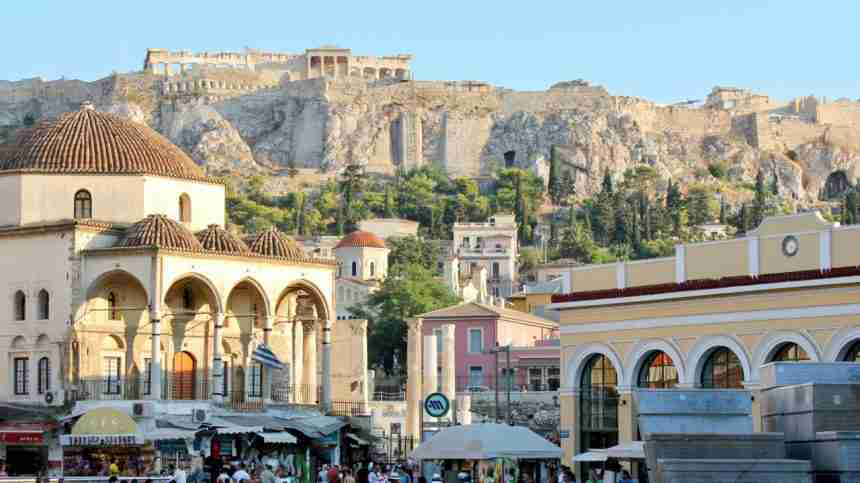
Athens stands as Greece’s undisputed real estate leader, with the metropolitan area accounting for nearly 40% of the country’s property transactions. The capital’s real estate market demonstrates remarkable diversity, from historic neighborhoods like Plaka and Monastiraki to modern business districts such as Marousi and Glyfada.
Central Athens has experienced substantial gentrification, particularly in areas like Exarchia and Metaxourgeio, where young professionals and artists have transformed formerly neglected neighborhoods into vibrant cultural hubs. Property prices in prime central locations range from €2,500 to €4,000 per square meter, while suburban areas offer more affordable options between €1,200 and €2,500 per square meter.
The city’s southern suburbs, including Vouliagmeni and Varkiza, command premium prices due to their coastal proximity and upscale amenities. These areas attract high-net-worth individuals seeking luxury properties with sea views and easy access to Athens’ business centers.
Thessaloniki: Northern Greece’s Commercial Hub
Thessaloniki, Greece’s second-largest city, presents a dynamic real estate market characterized by steady growth and reasonable pricing. The city’s strategic location as a gateway to the Balkans, combined with its thriving university scene and cultural significance, creates sustained demand for both residential and commercial properties.
Average property prices in Thessaloniki remain approximately 30% lower than Athens, with central locations averaging €1,500 to €2,200 per square meter. The city’s waterfront areas, particularly around the White Tower and Nea Paralia, command higher prices while offering excellent investment property potential.
Island Properties: Tourism-Driven Opportunities
Greece’s islands represent perhaps the most distinctive segment of the real estate market. Santorini, Mykonos, and Crete lead the luxury market, with properties often serving dual purposes as private residences and vacation rentals.
Santorini’s unique architecture and tourism appeal have driven property prices to extraordinary heights, with traditional cave houses and clifftop villas selling for €4,000 to €10,000 per square meter. Mykonos follows similar patterns, particularly in areas like Psarou and Paradise Beach.
Crete offers more diverse options, from affordable rural properties to luxury beachfront estates. The island’s year-round appeal and growing expat community create steady demand across various price points.
Current Market Trends and Investment Climate
Price Recovery and Growth Patterns
Greek real estate prices have recovered significantly from their crisis-era lows, with national average increases of 8-12% annually over the past three years. However, prices remain below pre-2008 levels in many areas, suggesting continued upside potential for early investors.
Urban markets show the strongest growth, driven by economic recovery and increased foreign investment. Rural and island properties demonstrate more varied patterns, with tourism-dependent areas experiencing seasonal fluctuations that savvy investors can leverage.
Foreign Investment Influence
The Golden Visa program, offering EU residency to non-EU investors purchasing property worth €250,000 or more, has significantly impacted demand patterns. Chinese, Russian, and Middle Eastern investors have been particularly active, focusing primarily on Athens and major tourist destinations.
This foreign investment influx has created price pressure in certain segments while boosting overall market confidence. Properties meeting Golden Visa requirements often sell quickly, sometimes at premium prices.
Demand Drivers Shaping the Market
Tourism Renaissance
Greece’s tourism sector has experienced record-breaking years, with visitor numbers consistently exceeding pre-pandemic levels. This tourism boom directly benefits real estate investors, particularly those targeting short-term rental markets.
Properties in popular destinations like Santorini, Mykonos, and Rhodes can generate substantial rental yields, often exceeding 8-10% annually. The extended tourism season, now stretching from April through October in many locations, provides investors with longer revenue-generating periods.
Economic Stabilization
Greece’s economic fundamentals have strengthened considerably, with GDP growth, reduced unemployment, and improved credit ratings all contributing to real estate market confidence. The country’s successful completion of its bailout program marked a turning point for investor sentiment.
Banking sector improvements have made mortgage financing more accessible, both for domestic buyers and qualifying foreign investors. Interest rates remain relatively attractive, supporting purchase decisions across various buyer segments.
Infrastructure Development
Significant infrastructure investments, including airport expansions, highway improvements, and urban renewal projects, enhance property values in affected areas. Athens’ ongoing urban regeneration initiatives, particularly around former industrial zones, create new investment opportunities.
The planned expansion of Athens Metro and improvements to inter-island ferry connections improve accessibility and property desirability across multiple regions.
Investment Insights for Potential Buyers
Property Types and Pricing
Greek real estate offers remarkable variety, from traditional stone houses in mountain villages to ultra-modern apartments in Athens’ business districts. Buyers can find properties ranging from €50,000 for rural fixer-uppers to several million euros for luxury island estates.
Apartments dominate urban markets, typically ranging from 50 to 120 square meters. Single-family homes are more common in suburban and rural areas, often featuring traditional architectural elements that add character and value.
New construction remains limited in many areas due to strict building regulations and environmental protections, particularly on islands. This supply constraint supports price stability and growth potential for existing properties.
Legal Considerations and Purchase Process
Foreign buyers enjoy relatively straightforward property purchase rights in Greece, with few restrictions compared to other European markets. However, certain areas near borders or military installations require special permits for non-EU buyers.
The purchase process typically takes 2-3 months, involving property inspections, legal checks, and tax clearances. Buyers should budget approximately 10-12% of purchase price for taxes, legal fees, and administrative costs.
Property taxes remain moderate compared to other Western European countries, though recent reforms have introduced more progressive rates for high-value properties.
Expert Strategies for Success
Market Timing and Location Selection
Successful Greek real estate investment requires careful timing and location analysis. Off-season purchases often yield better prices, particularly for tourism-dependent properties. Buyers should focus on areas with strong fundamental demand drivers beyond pure speculation.
Emerging neighborhoods in Athens and secondary island destinations often provide better value propositions than established premium areas. Thorough local market research becomes essential for identifying these opportunities.
Rental Income Optimization
Investors targeting rental income should consider both short-term tourism rentals and long-term residential leases. Diversifying rental strategies can provide more stable income streams while capturing seasonal tourism premiums.
Properties near universities, business centers, or major transportation hubs typically generate steady long-term rental demand. Tourist properties require more active management but can produce higher yields during peak seasons.
Future Market Outlook
Greece’s real estate market appears positioned for continued growth, supported by economic recovery, tourism expansion, and strategic location advantages. Climate change concerns may increase Northern Mediterranean property appeal compared to hotter southern destinations.
Digital nomad trends and remote work acceptance could boost demand for Greek properties offering lifestyle benefits and relative affordability compared to Western European alternatives. The country’s improving digital infrastructure supports these emerging buyer segments.
However, potential investors should monitor regulatory changes, particularly regarding short-term rentals and Golden Visa requirements, as these policies significantly impact market dynamics.
The Greek real estate market offers compelling opportunities for informed investors willing to navigate its complexities. Success requires understanding local market conditions, legal requirements, and long-term trend implications. With proper research and strategic approach, real estate in Greece can provide both financial returns and lifestyle benefits that few other European markets can match.