
In the fast-evolving world of technology, battery packs have become indispensable. From smartphones and laptops to electric vehicles and renewable energy systems, battery packs are the silent force powering our digital and mobile lifestyles. But what exactly is a battery pack, and why is it so crucial in today’s energy landscape?
What is a Battery Pack?
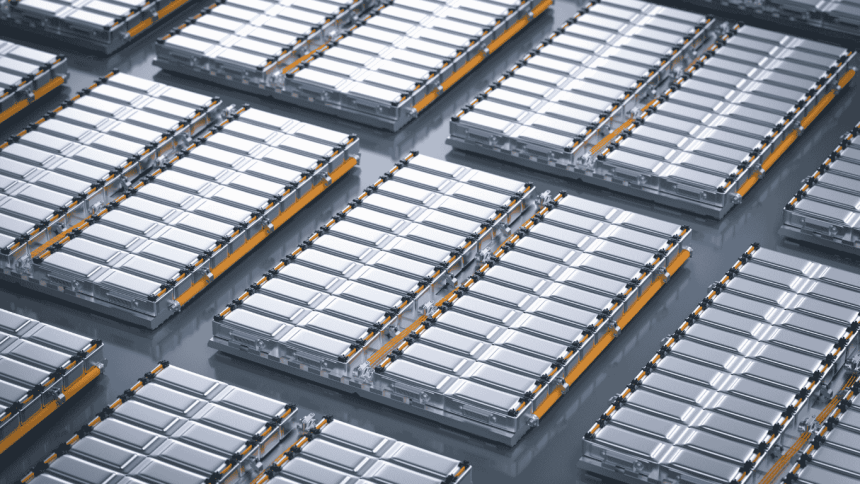
A battery pack is a collection of individual battery cells assembled together to form a single unit that provides electrical power to a device or system. These cells are typically arranged in series, parallel, or a combination of both to meet specific voltage and capacity requirements. A battery pack also includes necessary components such as a battery management system (BMS), thermal management systems, and protective circuitry to ensure safety, longevity, and performance.
Battery pack can be found in a wide variety of applications — from the smallest wireless earbuds to large-scale grid energy storage systems. The type and configuration of a battery pack depend on the intended use, with different chemistries and designs tailored to meet the unique demands of various devices and industries.
Types of Battery Chemistries
Battery packs are built using various types of battery chemistries. The most common include:
- Lithium-ion (Li-ion): Currently the most popular type of battery used in portable electronics, electric vehicles, and energy storage. Li-ion batteries are favored for their high energy density, low weight, and long cycle life.
- Nickel Metal Hydride (NiMH): Often used in hybrid vehicles and older portable devices, NiMH batteries are known for their good capacity and relatively low cost, but they are bulkier than Li-ion cells.
- Lead-acid: One of the oldest types, used primarily in automotive starter batteries and backup power systems. They are heavy and less energy-dense but are reliable and inexpensive.
- Lithium Iron Phosphate (LiFePO4): A subtype of Li-ion with enhanced safety and stability, making it a common choice for solar energy storage and electric buses.
Each type has its pros and cons depending on energy needs, safety requirements, and budget constraints.
Components of a Battery Pack
A fully functional battery pack consists of more than just cells. Key components include:
- Battery Cells: The basic units that store and release energy.
- Battery Management System (BMS): Monitors and manages the state of the battery, balancing cells and protecting against overcharging, deep discharge, and overheating.
- Cooling System: Especially in high-power applications like electric vehicles, a cooling system is crucial to maintain optimal temperature and performance.
- Enclosure: The external casing that protects the internal components from physical damage and environmental factors.
- Connectors and Wiring: Facilitate the transfer of electricity between the battery and the device it powers.
Applications of Battery Packs
Battery packs are central to numerous modern applications:
- Consumer Electronics: Smartphones, tablets, laptops, and wearable devices rely on compact and efficient battery packs for mobility and convenience.
- Electric Vehicles (EVs): The transition to electric mobility is heavily dependent on advances in battery pack technology, particularly in improving range, reducing weight, and decreasing charging time.
- Renewable Energy Systems: Solar and wind energy systems use battery packs to store energy for use during periods when the sun isn’t shining or the wind isn’t blowing.
- Medical Devices: Portable medical equipment, including defibrillators and infusion pumps, rely on reliable battery packs to ensure patient safety.
- Power Tools: Cordless tools in construction and maintenance work are powered by rugged, high-performance battery packs.
Future Trends and Innovations
The future of battery packs is promising, with research and development focused on making them more efficient, safer, and environmentally friendly. Some emerging trends include:
- Solid-State Batteries: Promising higher energy density and improved safety by replacing liquid electrolytes with solid materials.
- Faster Charging Technologies: Innovations that reduce charging time without degrading battery life.
- Recycling and Second Life: Efforts to recycle used batteries and repurpose them for less demanding applications, such as home energy storage.
Conclusion
Battery packs are the cornerstone of the modern, mobile, and increasingly electrified world. As the demand for clean energy and portable technology grows, so too does the importance of innovative, sustainable battery pack solutions.