

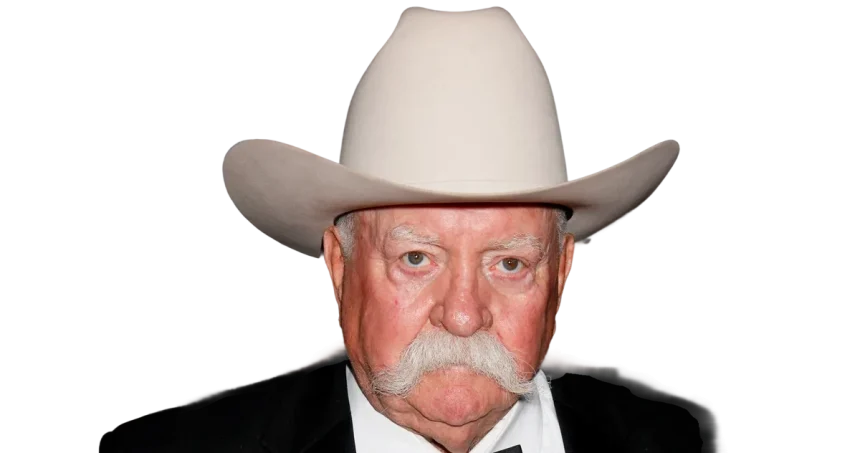
The Man Behind “Diabeetus”: Remembering Wilford Brimley
Most people remember Wilford Brimley for two things: his distinctive pronunciation of “diabetes” as “diabeetus” and his warm, grandfatherly presence in commercials and films. But there’s so much more to this beloved actor’s story than internet memes and oatmeal ads.
Born Anthony Wilford Brimley in Salt Lake City on September 27, 1934, he would grow up to become one of Hollywood’s most recognizable character actors. His journey from cowboy to beloved screen presence is a fascinating tale of persistence, authenticity, and unexpected stardom.
| Category | Details |
| Full Name | Anthony Wilford Brimley |
| Date of Birth | September 27, 1934 |
| Place of Birth | Salt Lake City, Utah, USA |
| Profession | Actor, Singer, Spokesperson |
| Notable Traits | Distinctive “diabeetus” pronunciation, warm and grandfatherly screen presence |
| Early Career | Worked as a cowboy and blacksmith before starting his Hollywood career |
| Rise to Fame | Became a highly recognizable character actor in television and film |
| Cultural Impact | Gained internet fame through memes and commercial appearances, particularly with oatmeal advertising |
| Legacy | Remembered for his authenticity, persistence, and timeless charm in American media |
Early Life and Career
Before he ever stepped in front of a camera, Brimley lived a life straight out of the American West. At the age of 14, he left high school to work as a cowboy in Arizona, Idaho, and Nevada. This wasn’t just a job for young Wilford—it was a way of life that would shape his authentic screen presence for decades to come.
In 1953, Brimley enlisted in the U.S. Marine Corps, serving for three years in the Aleutian Islands during the Korean War. After his military service, he took on various jobs including ranch hand, wrangler, blacksmith, and even bodyguard for the reclusive billionaire Howard Hughes.
His path to acting began almost by accident. While working as a horse wrangler and farrier for film and television productions, his close friend Robert Duvall encouraged him to try acting. Brimley started as a stuntman and riding extra in Western films during the late 1960s.It was honest work that played to his authentic cowboy skills—something that would become his trademark throughout his career.
Notable Roles
Brimley’s breakthrough came with his recurring role on the beloved television series “The Waltons,” where he played the mountain blacksmith Horace Brimley between 1974 and 1977. This role showcased his natural ability to portray wise, dependable older men—characters that felt genuine because they drew from his real-life experiences.
His first major film role came in 1979 with “The China Syndrome,” starring alongside Jack Lemmon and Jane Fonda. In John Carpenter’s “The Thing” (1982), he played Blair, the paranoid biologist fighting an alien threat in Antarctica. His performance in “Tender Mercies” (1983) alongside Robert Duvall demonstrated his range as a dramatic actor.
Perhaps his most iconic role came in Ron Howard’s “Cocoon” (1985), where he played Ben Luckett, the leader of a group of nursing home residents who discover a magical fountain of youth. It is noteworthy that Brimley was cast at the age of 49, making him at least 20 years younger than the other performers portraying retirees. To look the part, he bleached his hair and mustache gray and had makeup artists add wrinkles and age spots to his face.
His filmography also includes standout performances in “The Natural” (1984) as the world-weary baseball manager Pop Fisher and a memorably intimidating turn as the villainous security chief in “The Firm” (1993).
Read Next: Brittany Snow
“Diabeetus” and Advocacy
While Brimley built a solid reputation as a character actor, it was his work as a spokesperson that made him a household name.
But it was his diabetes advocacy work that truly cemented his cultural impact. After being diagnosed with type 2 diabetes in 1979, Brimley became passionate about raising awareness for the disease. His television commercials for Liberty Medical, a company specializing in diabetes testing supplies, became cultural phenomena—not just for their earnest message, but for his distinctive pronunciation of “diabetes” as “diabeetus.”
This pronunciation quirk, likely influenced by his regional dialect and speech patterns, became the source of countless internet memes and jokes. However, behind the humor was genuine advocacy work. Brimley visited Veterans Administration hospitals, spoke at community events, and used his celebrity to help people better understand and manage their diabetes. The American Diabetes Association honored him in 2008 with a lifetime service award, recognizing his dedication to the cause.
The Unexpected “Yellowstone” Tribute
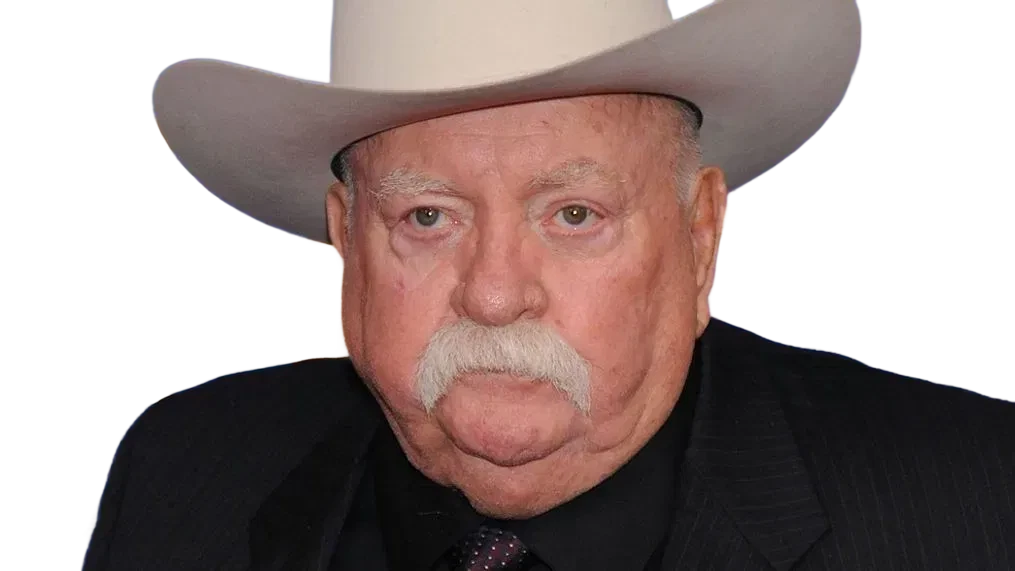
One of the more surprising chapters in Brimley’s legacy came after his death. Brimley had never appeared on the show, and there seemed to be no obvious connection to the Montana-set drama.
The tribute reflected something deeper about Brimley’s impact on Western entertainment. Series creator Taylor Sheridan was honoring not just an individual actor, but a representative of authentic Western values and storytelling that had influenced generations of filmmakers and actors. Brimley embodied the kind of genuine cowboy character that modern Westerns like “Yellowstone” strive to capture.
Legacy
Wilford Brimley passed away on August 1, 2020, at the age of 85, after suffering from kidney complications. His death marked the end of an era—he was one of the last actors who brought genuine Western experience to his roles, having actually lived the cowboy life before portraying it on screen.
He helped destigmatize diabetes and encouraged countless people to take control of their health. His straightforward, no-nonsense approach to discussing the disease made medical information accessible to ordinary people.
Read Next: Sadie Sandler
A Unique Persona That Endures
What made Wilford Brimley special wasn’t just his acting ability—it was his authenticity. In an industry often criticized for artifice, he remained genuinely himself. Whether he was playing a concerned grandfather in “Cocoon” or explaining diabetes management in a commercial, audiences could sense that what they were seeing was real.
His distinctive voice, weathered face, and sincere demeanor created a unique screen presence that couldn’t be manufactured or imitated.
Brimley’s career reminds us that Hollywood success doesn’t always follow traditional paths. He didn’t attend drama school or start as a child actor. Instead, he brought his life experiences—as a cowboy, Marine, and working man—directly to his performances. This authenticity resonated with audiences and made him one of America’s most beloved character actors.
His legacy continues to influence how we think about aging, health advocacy, and authentic storytelling. Wilford Brimley proved that genuine character and life experience could be just as powerful as classical training or conventional good looks. In a world of manufactured celebrity, he remained refreshingly, unforgettably real.