


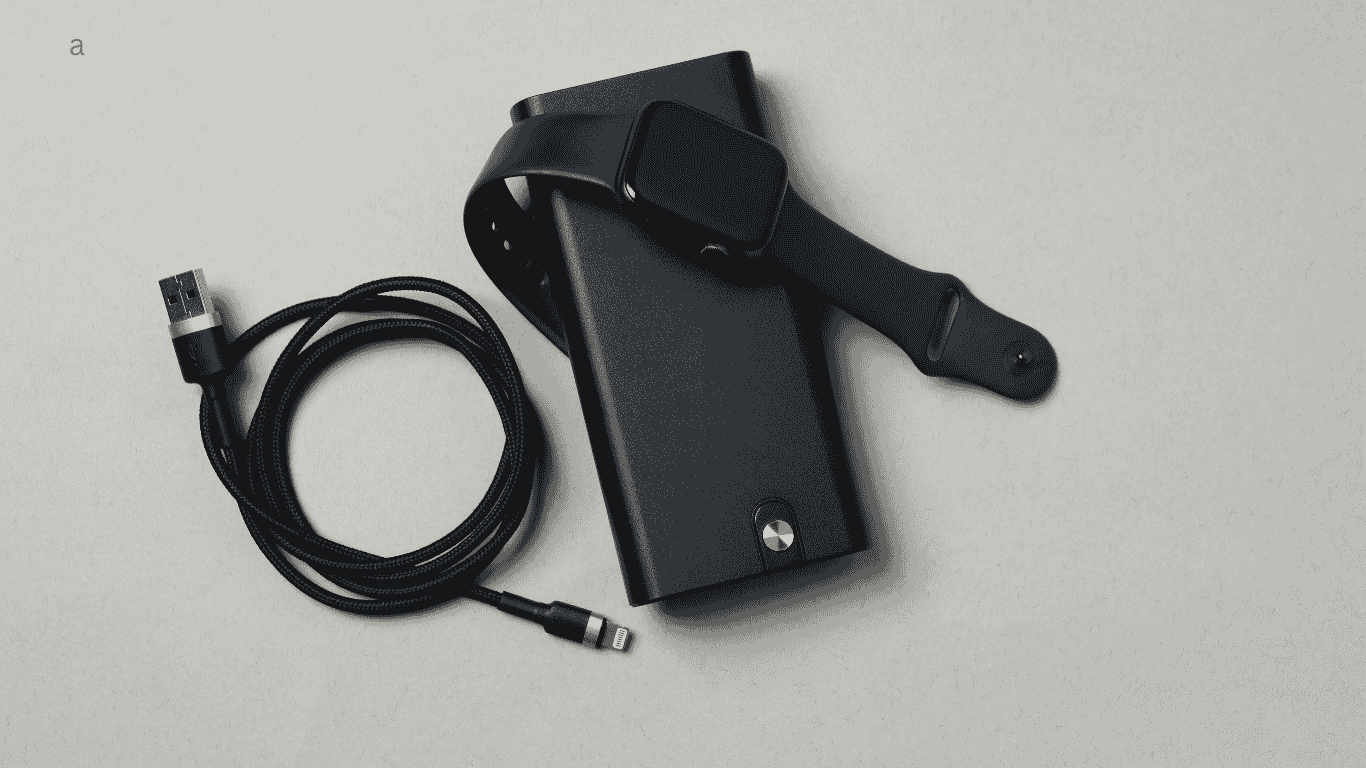

In today’s digital age, even the most adventurous campers often bring along smartphones, GPS devices, cameras, and other electronic gadgets when they head into the wild. While these tools enhance safety, navigation, and enjoyment, they all have one thing in common — the need for power. That’s where camping power banks come in. Designed to keep your devices charged while you’re off the grid, these portable power solutions have become essential gear for modern outdoor enthusiasts.
What is a Camping Power Bank?
A camping power bank is a portable battery pack specifically designed for outdoor use. Unlike standard power banks, these models often feature rugged construction, larger capacities, and additional features that make them suitable for unpredictable environments. Their primary purpose is to store electrical energy that can later be used to recharge devices like phones, flashlights, headlamps, GPS units, portable speakers, or even small appliances.
Camping power banks come in various shapes and sizes, from compact options for short weekend hikes to high-capacity models that can support multi-day trips or group expeditions.
Key Features to Look For
When choosing a power bank for camping, there are several important features to consider:
1. Battery Capacity
A typical smartphone might need around 3,000 to 4,000 mAh for a full charge, so a 20,000 mAh power bank can charge your phone roughly five times. For longer trips, look for a power bank with at least 20,000 to 30,000 mAh.
2. Durability and Weather Resistance
Camping power banks are built to withstand outdoor conditions. Many feature rugged exteriors, rubberized corners, and are rated as water-resistant or even waterproof. Look for models with IP ratings (e.g., IP65 or IP67) to ensure they can handle splashes, rain, or dust.
3. Solar Charging Capability
Some power banks come with built-in solar panels, allowing you to recharge them using sunlight. While solar charging is generally slow and not ideal for daily recharging, it can be a lifesaver in emergencies or during extended stays in sunny environments.
4. Multiple Ports
Having more than one USB port (including USB-C or Quick Charge ports) allows you to charge multiple devices simultaneously. This is especially useful if you’re camping with others or have several gadgets that need power.
5. Integrated Lights or Emergency Features
Many camping power banks come with built-in LED flashlights or emergency SOS beacons, adding extra functionality for nighttime use or signaling for help.
Benefits of Using a Camping Power Bank
– Stay Connected and Safe
Even in remote locations, your phone or GPS device can be crucial for navigation, communication, and safety. A power bank ensures that these devices stay operational throughout your trip.
– Power for More Than Just Phones
In addition to phones, camping power banks can charge cameras, drone batteries, Bluetooth speakers, headlamps, and even small fans or camping lanterns. Some high-capacity models can power electric coolers or mini projectors for an upgraded campsite experience.
– Environmentally Friendly Options
Solar-enabled models offer a renewable way to recharge, making them ideal for eco-conscious campers.
Tips for Using a Camping Power Bank
- Pre-Charge Before You Leave: Always start your trip with a fully charged power bank.
- Keep It Warm: Store the power bank in your sleeping bag or inside layers during cold nights.
- Use Energy Wisely: Put your phone on low power mode, turn off unnecessary features (like Bluetooth or location tracking), and avoid excessive use of power-hungry apps.
- Pack Cables and Adapters: Bring all the necessary cables, and consider a small pouch or case to keep everything organized and protected.
Popular Brands and Models
Each offers models designed for different needs, from ultralight hikers to car campers and overlanders.
For example:
- Anker PowerCore 20100: A great all-around option with fast charging and compact design.
- Goal Zero Sherpa 100PD: Higher capacity with USB-C output, ideal for charging laptops or tablets.
- Jackery Explorer 240: A small power station with AC outlets, perfect for car camping.
Conclusion
A camping power bank is no longer a luxury — it’s a must-have for anyone venturing into the outdoors with electronics. Whether you’re heading out for a weekend hike or a week-long backcountry adventure, having a reliable source of power brings peace of mind and allows you to enjoy modern comforts without compromising your connection to nature. With the right power bank in your backpack, you’re always just a few hours from a full charge — no matter how far off the grid you roam.