

Plenty of new businesses start branding with a logo. That order wastes money. Customers decide whether to trust you long before they judge your colour palette. They judge what you promise, who you promise it to and whether you keep your word. This guide shows how to build a brand from the ground up, in the order that works.
In this article, we’re going to discuss how to:
- Decide who the brand is for and what it stands for
- Choose a name you can legally use and protect
- Apply the brand consistently across every customer touchpoint
Start With the Customer, Not the Logo
A brand is the set of expectations people hold about your business. Your logo, name and website feed those expectations. Delivery sets them. So the first job is to pick one audience and understand what it wants fixed.
Be narrow. ‘Small businesses’ is a category, not an audience. ‘Owner-managed UK accountancy firms with under 10 staff’ is an audience. Narrow audiences are easier to write for, easier to price for and easier to find.
How to Build a Brand Step by Step
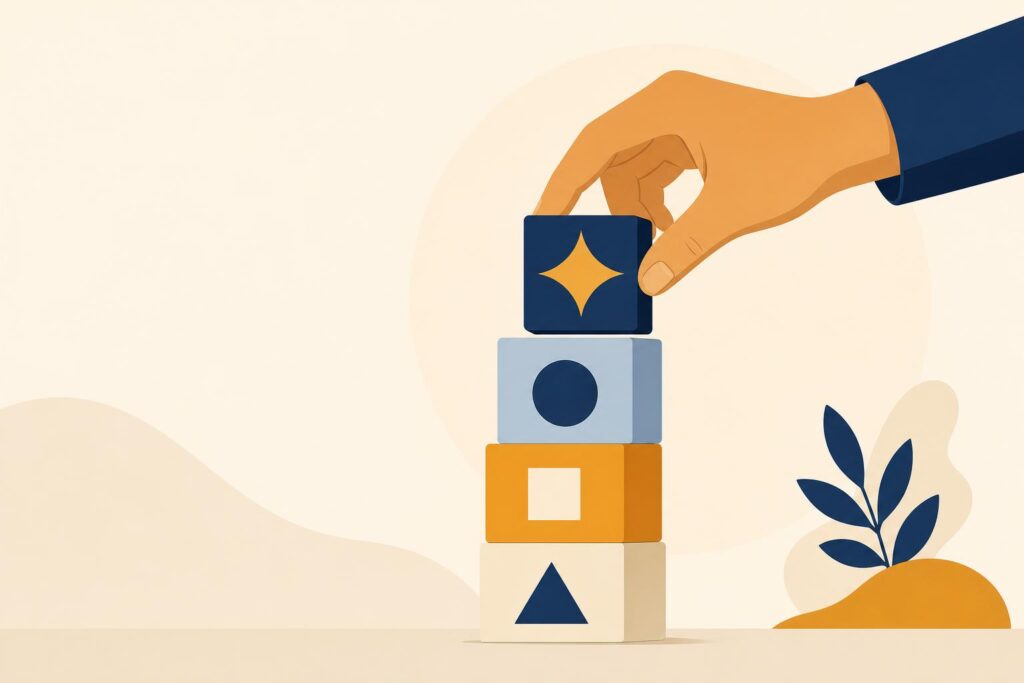
The order matters because each step feeds the next.
Write a Positioning Statement
Use one sentence: ‘We help [audience] get [result] without [common frustration].’ Then read the homepages of three direct competitors. If your sentence could sit on any of them, it’s too vague. Rework it until a competitor couldn’t honestly claim it.
Set Voice Rules
Write five rules for how the brand sounds. For example: plain English, no jargon, short sentences, prices stated openly and no exclamation marks. Rules this specific let a freelancer or new hire write in your voice without a briefing call.
Build the Visual Basics
Pick one primary colour, one secondary colour, two typefaces and a simple logo that still reads at 32 pixels wide. That’s enough to launch. A designer can refine it once you have customers to learn from. Anyone planning how to build a brand on a tight budget should spend here last, not first.
Choose a Name You Can Actually Own
Any plan for how to build a brand needs a name that survives scrutiny. A name that’s already taken, or too close to someone else’s, will cost you a rebrand later. Search Companies House, the UK trade mark register and your preferred domain and social handles before you commit. GOV.UK states that a trade mark can’t simply describe the goods or services it covers and can’t be too common or non-distinctive. It also says you may not be able to register a name that’s the same as, or similar to, another business’s mark for the same goods or services.
Registration is optional but worth pricing in. According to GOV.UK, a UK trade mark costs at least £205, lasts 10 years and usually takes 3 to 4 months to be granted. UK registration protects your brand in the UK and the Isle of Man only, so overseas plans need a separate process. Limited companies also have naming rules to follow: GOV.UK says the registered number, registered office address and full company name must appear on business letters, order forms and websites.
Keep the Brand Consistent Everywhere
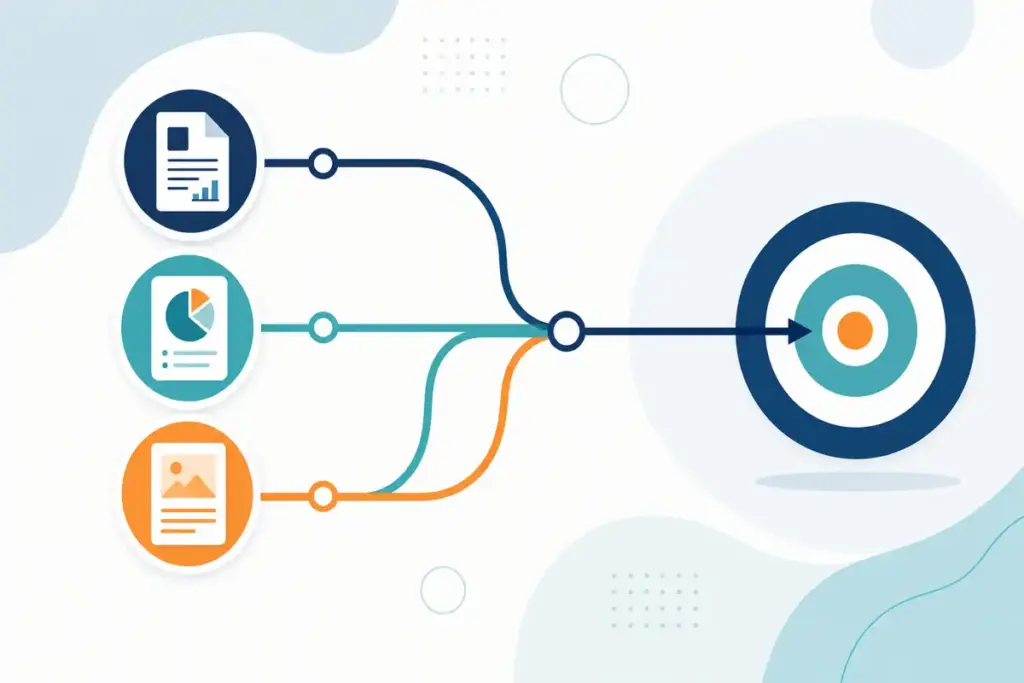
Consistency is where most small brands slip. The website says one thing, the invoice another and the social profile a third. Put your positioning statement, voice rules and visual basics into a single page and share it with everyone who writes, designs or sells for you.
Then connect the brand to your marketing. A documented content marketing strategy keeps the topics, tone and proof points the same across articles, emails and sales material. If you want more practical guides on channels and tactics, our digital marketing section covers them in detail.
Measure Whether the Brand Is Working
Pick three signals and review them monthly. Branded search queries in Google Search Console show whether people look for you by name. Direct traffic and repeat purchase rate show whether the people who found you came back. Our piece on why brand search matters explains how to read that first signal as AI search grows.
Reputation builds slowly, and a brand that changes direction every quarter never gives people a chance to remember it. Knowing how to build a brand is mostly the discipline of staying put once the basics are right.
Conclusion
Branding starts with a narrow audience and a clear promise. Choose a name you can own, write down your voice and apply it everywhere. Review a few simple signals each month and resist the urge to start over.
- Define one audience and one positioning sentence before spending on design
- Check the name against Companies House and the trade mark register
- Track branded search, direct traffic and repeat purchases every month
Frequently Asked Questions
How long does it take to build a brand?
Expect the foundations to take a few weeks to set up. Recognition depends on consistent delivery over a much longer period.
How much does it cost to build a brand from scratch?
Costs vary widely with how much work you outsource. The one fixed figure in this guide is the UK trade mark fee, which GOV.UK puts at a minimum of £205.
Do I need to register a trade mark?
Registration is optional, but GOV.UK says it lets you take legal action against anyone using your brand without permission and use the ® symbol. It’s worth considering once the name is settled and you plan to invest in it.
Should I design the logo first?
Write your positioning statement and voice rules first. A logo drawn without them tends to be redone once the brand’s direction becomes clear.
Sources Consulted
- GOV.UK: Register a trade mark
- GOV.UK: What you can register as a trade mark
- GOV.UK: Signs, stationery and promotional material
Disclaimer: This article is for information only and does not constitute legal or professional advice. Check current fees and rules with the relevant official body before you act.